
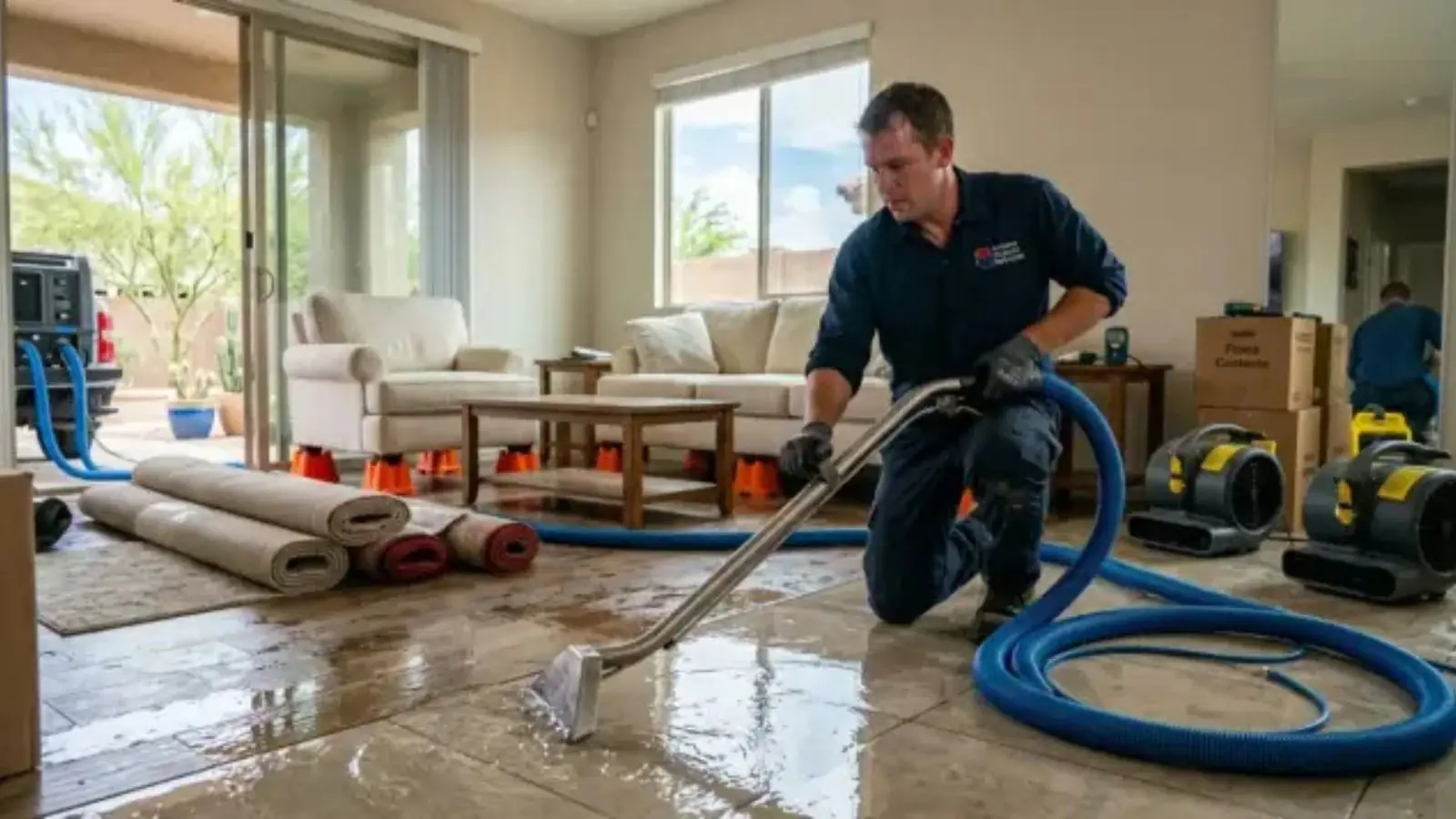
Emergency water removal is the first stage of a water loss: pumps and extraction units pull standing water out before it sinks into subfloors and cabinets. If water is on your floor, the 24/7 line at (818) 337-2642 is answered nights, weekends and holidays. While you wait, shut the main valve if you can reach it safely, lift valuables off the floor, and keep children and pets out of the room.
Water is standing in your home right now
Work through these in order. Skip anything that puts you beside live wiring or contaminated water.
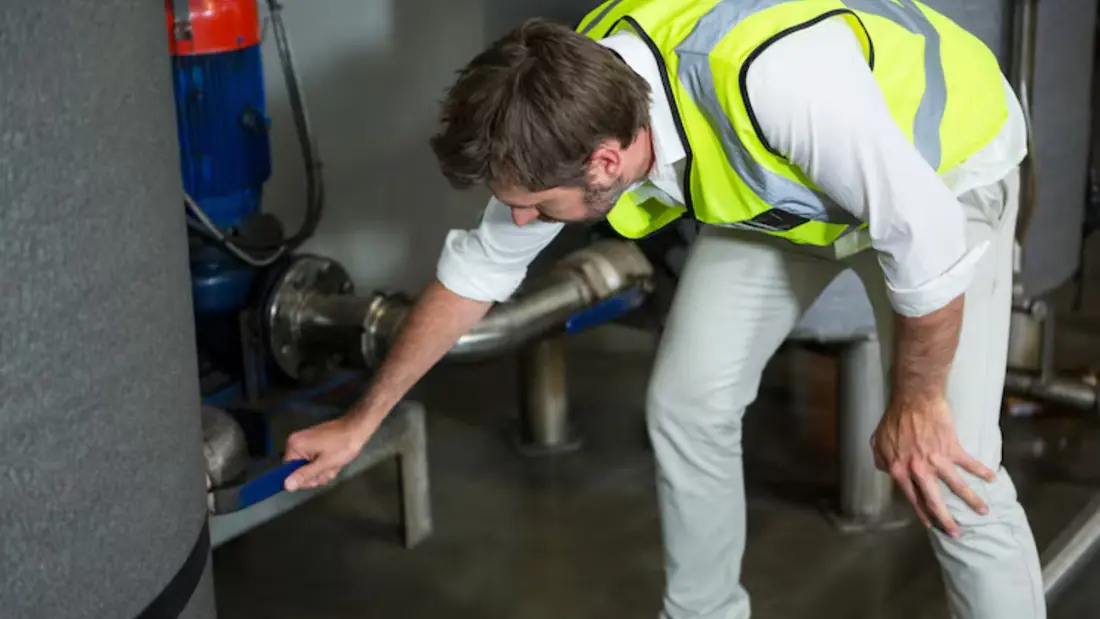
- Stop the supply. Close the shutoff valve under the sink or behind the toilet, or the main valve for the whole house.
- Look before you step. If water has reached outlets, the breaker panel or a gas appliance, do not go in, and read the safety box below.
- Lift what you can onto counters or into a dry room: electronics, books, shoes, rugs, small furniture. Take photos first.
- Keep people and pets out of any water that may have come from a toilet, a drain or the ground.
- Call and name the source and the rough depth. Those two details decide which pumps go on the truck.
Electrical and gas safety come before water removal
Water and electricity do not mix. If the water touches outlets, the breaker panel, a gas water heater or a furnace, keep out of the room. The call to 911 or the utility goes ahead of the call to us. You may switch the main breaker off only when the panel is dry, within reach, and you are not standing in water. A gas smell means leave and call from the yard.
Burst pipe water damage
A burst supply line is under pressure, so it does not drip, it pours. The stream keeps coming until somebody closes a valve, and a line that fails in a wall or an attic can run for a long time before anyone sees it.
That is why one hour of running water matters. In that time water crosses the floor, drops through the subfloor, runs down inside wall cavities and, on a second story, shows up as a bulge in the ceiling below. Drywall and baseboards wick it upward, and carpet pad holds it like a sponge.
Shut the main first. When the crew arrives, they confirm the water is off and the electrical situation is safe, then put pumps or extraction wands on the standing water. Moisture meters and a thermal imaging camera come next, to find where water went behind finishes. Drying equipment follows, and that stage is covered under water mitigation.
Truck-mounted or portable: how the water leaves
A truck-mounted unit runs off the vehicle and sends long hoses through the front door, which suits large floor areas and deep water. A portable extraction unit is carried inside and works where hoses cannot reach, such as a second-floor room or a narrow hallway. Most losses use one or both, and a submersible pump handles water that is more than a few inches deep.
| Equipment | Best for | Trade-off |
|---|---|---|
| Submersible pump | Deep water in a garage, lower level or crawl space | Leaves a film of water that still needs extraction |
| Portable extraction unit | Upstairs rooms, tight access, a few rooms of carpet | Smaller tank, so more trips to empty it |
| Truck-mounted unit | Large floor areas, long hose runs, big volumes | Needs vehicle access and a clear hose path through the house |
| Weighted extraction wand | Carpet and pad that are soaked through | The pad is often too far gone to keep |
What gets extracted and what is left for drying
Pulled out by extraction
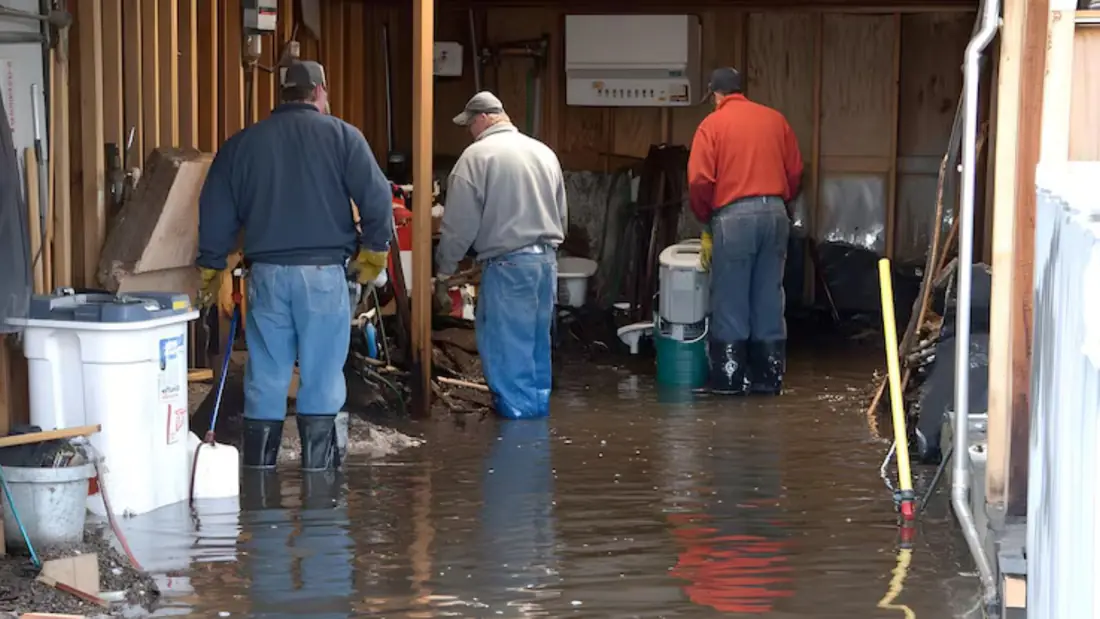
Loose water: puddles on tile and vinyl, water standing in carpet and pad, water pooled in a garage or crawl space, and water sitting inside a cabinet base.
Left for drying
Bound water that has soaked into studs, subfloors, drywall, plaster and hardwood. Air movers and LGR dehumidifiers pull it out over the following days, and moisture meters show when it is done.
Removal and drying are two jobs. Skipping the second is how a dry-looking room ends up with a swollen baseboard a week later, so ask which materials are being extracted and which are being dried.
Four situations, four different starting points
Water in the crawl space
For homes that have one, a submersible pump goes in through the access hatch with a hose run to the outside. The crew then checks joists and subfloor from below with a moisture meter.
A burst line under the sink
Water runs under the cabinet and into the kitchen floor. The toe-kick comes off so the wand and meter can reach what is trapped under the cabinet base.
A ceiling that let go
A bulging ceiling can hold a lot of water, so stay out from underneath. The crew clears wet insulation and drywall, then extracts what landed on the floor.
A washer valve that broke
Supply failures at the laundry room run until someone notices, and the water usually travels into the hallway flooring. Extraction starts there, then the crew traces how far it went.
City side or house side: who to call about the water
If the water is coming from the city main in the street, the utility has to shut it down. LADWP takes water main break reports on 1-800-DIAL-DWP (1-800-342-5397), answered 24/7. Check your water bill to confirm LADWP serves your address.
Not sure the leak is yours? LADWP describes a meter test. Close every tap, appliance and hose bib, indoors and out, then look at the leak indicator on the meter. If it moves while nothing is running, water is escaping somewhere. Hire a plumber for that pipe, and let the crew deal with the water already on the floor.
Why storm season and house failures land in the same months
Rain here is a seasonal event. LA Sanitation's storm calendar covers mid-October to mid-April, and the long-run average at Van Nuys Airport gives February the top spot, at 3.79 inches of a 13.42 inch year.
For you, that means roof leaks and overloaded drains show up in the same weeks as ordinary pipe failures. If the water came from outside, flood damage restoration covers runoff, groundwater and sewer water. If it came from a pipe or appliance inside, you are on the right page.
What shapes the price of water removal
- The water category: clean supply water, gray water or sewage-tainted water, since dirtier water means more protective steps and more material removed.
- How much of the building is wet, and how deep the water stood.
- What the water reached: carpet and pad, hardwood, drywall, insulation and cabinets all take different handling.
- Access, such as stairs, a crawl space hatch or a long hose run.
- How many drying days and how much equipment follow the extraction.
Insurers tend to treat a pipe that bursts without warning differently from a leak that dripped for months, and flood is its own category. Read your policy and ask your insurer what it needs from you. For a number that fits your loss, ring (818) 337-2642, and you will hear the scope and the price before any work begins.
Water on the floor at 2 a.m.?
Somebody picks up at every hour. Give the source and depth, and the matching equipment is lined up.
Serving West Hills, with neighbors close by
Crews head out from the Vanowen Street base, and a call at midnight is handled the same way as one at noon. The line also reaches nearby areas, including Woodland Hills to the south.
Once the water is out, the job moves to drying, then to rebuilding. Next in that sequence are water damage cleanup for removing damaged material and water damage repair for drywall, flooring and paint. The people on site are licensed and insured professionals.
Questions about emergency water removal
Do you handle water removal emergencies at night or on weekends in West Hills?
Yes. Dispatch at (818) 337-2642 picks up all night, and Saturday and Sunday are no different from a Tuesday. Same-day response depends on crew availability when you call, so no arrival time is promised. Describe the source and depth of the water, and close the main valve if that is safe.
How long does it take to remove standing water?
It depends on volume, access and equipment. A few rooms of shallow water can be extracted in a visit, while deep water in a lower level or crawl space takes longer because the level often has to be lowered in stages. Extraction is only the first step. Walls and subfloors still need drying afterward.
Can I use a wet vac instead of calling a crew?
For a shallow spill of clean water on a hard floor, a shop vacuum helps. It cannot reach water in carpet pad, behind baseboards or under cabinets, and it is unsafe near wet outlets. If the water is spreading, came from a toilet or drain, or has been sitting, call a crew instead.
Is it safe to walk through the water?
Not until you know where it came from and whether power is off in that area. Clean supply water can still be energized by wet outlets or cords. Water from a toilet, a drain or outdoors can carry contamination. Stay out, keep pets out, and wait for guidance from dispatch.
Will my insurance pay for water removal?
A burst pipe is the kind of sudden event many policies address, while a slow leak or a maintenance lapse often falls outside. Flood usually needs its own policy. Yours decides, so photograph the damage before you move things, keep receipts, and ask your insurer.
What happens after the water is out?
Next comes drying: air movers and LGR dehumidifiers run while moisture meters track progress, as the water mitigation page explains. Materials that cannot be dried come out, and the rebuild follows.