
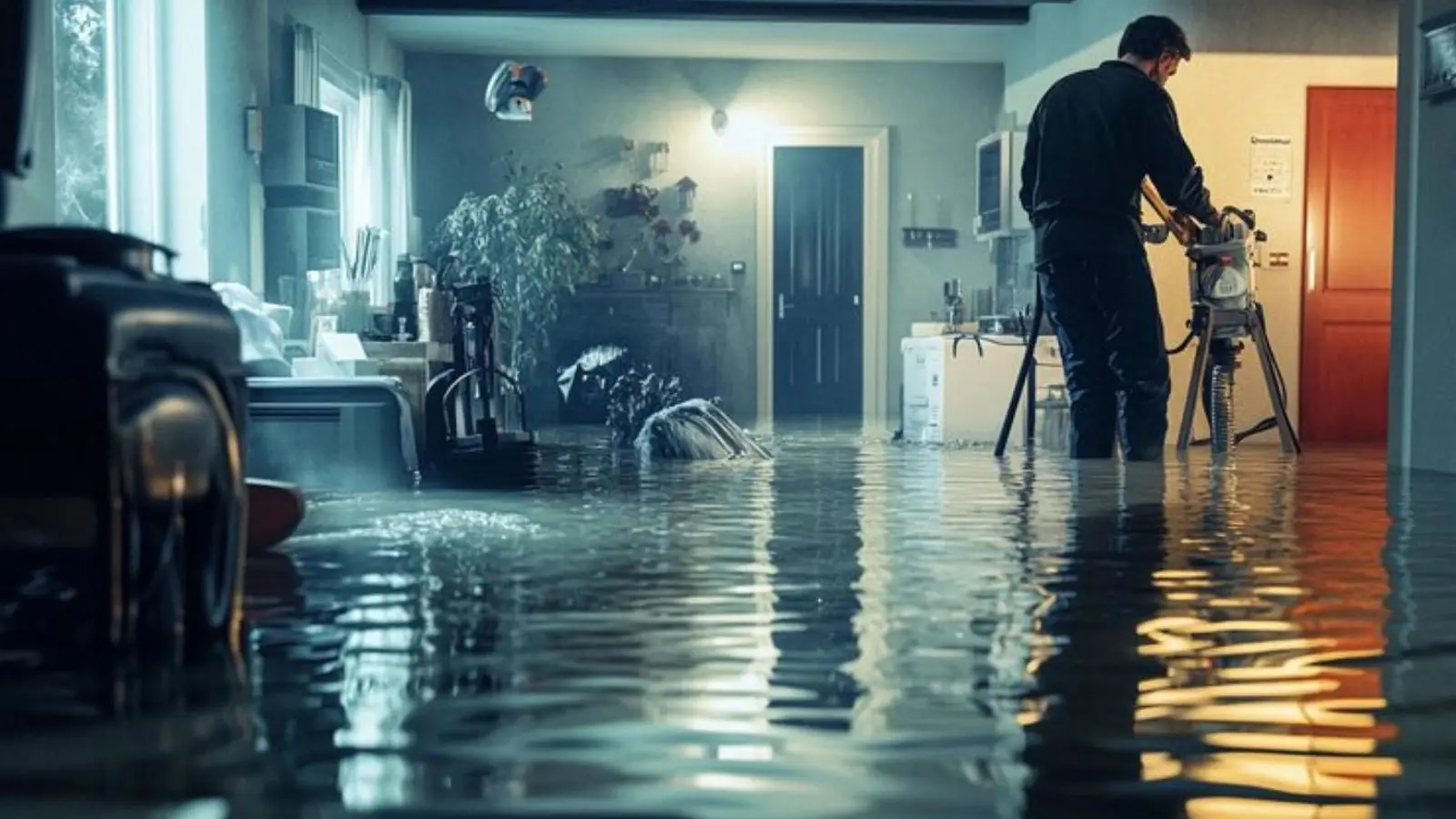
Water mitigation is the work of stopping a water loss from spreading: shutting off the source, extracting standing water, setting up drying equipment and mapping where moisture has gone. In West Hills, CA it runs on a 24/7 line, so a pipe that lets go at 2 a.m. gets the same call-taking as one that fails at noon.
While you wait, close the fixture valve or the main water valve. Switch off power to wet areas only if you can reach a dry panel safely. Lift valuables off the floor, keep people and pets away from water of unknown origin, and call (818) 337-2642.
My wall feels damp and the paint is bubbling. What is happening?
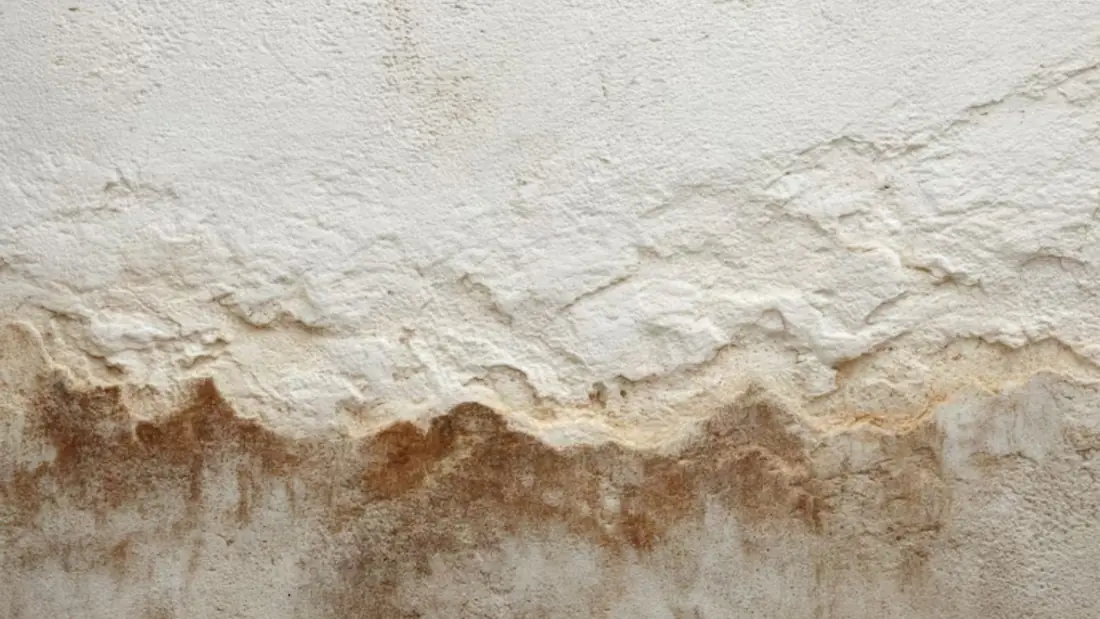
A damp wall, bubbling paint, a ceiling stain that keeps growing, carpet that squelches or a musty smell after a leak all point to the same thing: water is inside the structure, not just on it. The trade name for stopping that is water mitigation. It finds what is wet behind the surface and dries it before drywall softens and mold gets a start.
The first 24 to 72 hours, step by step
Stop the source
Shut the valve, or note where the roof or window is letting rain in. Nothing dries while water keeps arriving.
Extract standing water
Pumps and extraction units pull water off floors and out of carpet before it wicks into walls.
Map the moisture
Moisture meters and a thermal imaging camera mark wet walls, ceilings and subfloor, room by room.
Set the drying equipment
Air movers and LGR dehumidifiers go where the map says, and wet material that cannot dry is removed.
Monitor every day
Readings are repeated daily and equipment is moved until each material reaches its dry target.
Structural drying
Structural drying moves moisture out of wood, drywall, concrete and insulation. Air movers push dry air across wet surfaces to speed evaporation. LGR dehumidifiers (low grain refrigerant) then pull that moisture out of the air so it cannot settle back into the walls. Opening a few windows rarely does this alone, which is why the equipment is sized to the room.
A pin or pinless meter gives a number for each material, and a thermal imaging camera shows cooler, wetter areas that you cannot see. The camera finds the spot, and the meter confirms it. The drying goal comes from readings on similar dry materials in your own home, not one universal figure. EPA's advice is to get water-damaged areas dry within 24 to 48 hours, so setup does not wait.
Equipment often runs for days because water leaves dense materials slowly. Each visit adds to a drying log, the written record of readings, temperature, humidity and equipment placement. Equipment comes off when the log shows every material at its goal, not on a fixed date.
Mitigation, removal or something bigger?
| What you see | Where it starts | Read next |
|---|---|---|
| Water still running or standing on the floor | Stop the source, then extraction | Emergency water removal |
| Leak stopped, walls and floor still damp | Moisture mapping and drying setup | This page |
| Sewage, storm runoff or outside water | Safety first, then contaminated-water protocol | Flood damage restoration |
| Dry now, but material is ruined or smells | Tear-out, sanitizing, odor control | Water damage cleanup |
| Everything dry, rebuilding next | Drywall, flooring, paint | Water damage repair |
Water near electricity or gas
If water touched an outlet, the panel or a gas appliance, keep out of the room and contact your utility or 911 first, then the restoration line. Shut power off at the panel only when you can get to it without stepping in water.
When West Hills rain turns into a wet wall
At Van Nuys Airport, the nearest NOAA station with published data, December through March normals are 1.95, 2.75, 3.79 and 2.50 inches, about 11 of the year's 13.42. That is where the water comes from. A window sill that leaks or a roof flashing that lets go in that stretch can soak attic insulation and the wall below it long before a stain shows.
So check window corners and ceilings after each storm, not only when something drips. If the damage is inside a wall, call early: after-hours calls are answered like any other.
What affects the cost of mitigation
- Water category: clean supply water, used water or contaminated water.
- How many rooms and how much material is wet.
- Materials involved, since carpet, hardwood and drywall dry at different speeds.
- Drying days and the number of air movers and dehumidifiers the job needs.
- Access, such as wall cavities, crawl spaces or a second floor.
Policies usually respond differently to a sudden break than to a long seep, and floods generally need separate flood coverage, so check yours. California's Department of Insurance advises making temporary repairs and keeping receipts, so save every one. Want your real number? Call (818) 337-2642 and hear the scope and price before any work begins.
Wet now? Start drying today
Call (818) 337-2642 any hour. Same-day response when available.
Local crews and honest limits
Crews start from Vanowen Street and also cover nearby areas such as Woodland Hills. Mitigation is not plumbing, roofing or waterproofing, so a failing pipe or roof still needs its own trade. Crews work from the published ANSI/IICRC S500 water damage standard, so ask what that looks like on your job.
Water mitigation questions
Do you handle water mitigation emergencies at night or on weekends in West Hills?
Yes. A person answers around the clock, holidays included, and a crew is sent the same day when one is available. No arrival time is promised. Until they reach you, shut the water off, lift valuables and keep people and pets away from contaminated water.
My wall is damp and the paint is bubbling but I see no water. Is that an emergency?
Treat it as urgent. Bubbling paint on a damp wall usually means water is moving inside the wall, from a pipe, a roof or a window. Mold needs moisture, and EPA advises drying within 24 to 48 hours. Call so a crew can take readings behind the surface.
What do air movers and dehumidifiers actually do?
Air movers blow air across wet surfaces so water evaporates faster. Dehumidifiers pull that moisture out of the air so it does not soak back into the structure. Together they dry the building in place, and a moisture meter confirms when each material has reached its goal.
How long does drying take?
Many light losses dry in a few days, and heavier losses with wet hardwood, insulation or concrete take longer. No honest number can be promised before readings are taken. The crew checks moisture daily and removes equipment only when the drying log shows every material at its goal.
Can I rent air movers and dehumidifiers instead?
No. Equipment is part of a mitigation job and is set, placed and monitored by the crew, so rentals are not offered. Placement and daily readings decide whether drying works, and a rented fan in a wet wall cavity often leaves moisture behind.
Will insurance cover water mitigation?
Your insurer and your policy decide. Policies treat a sudden break differently from a slow leak. Limiting further damage is usually expected of you, so take photos, keep receipts for emergency steps and ask your insurer what it needs.