
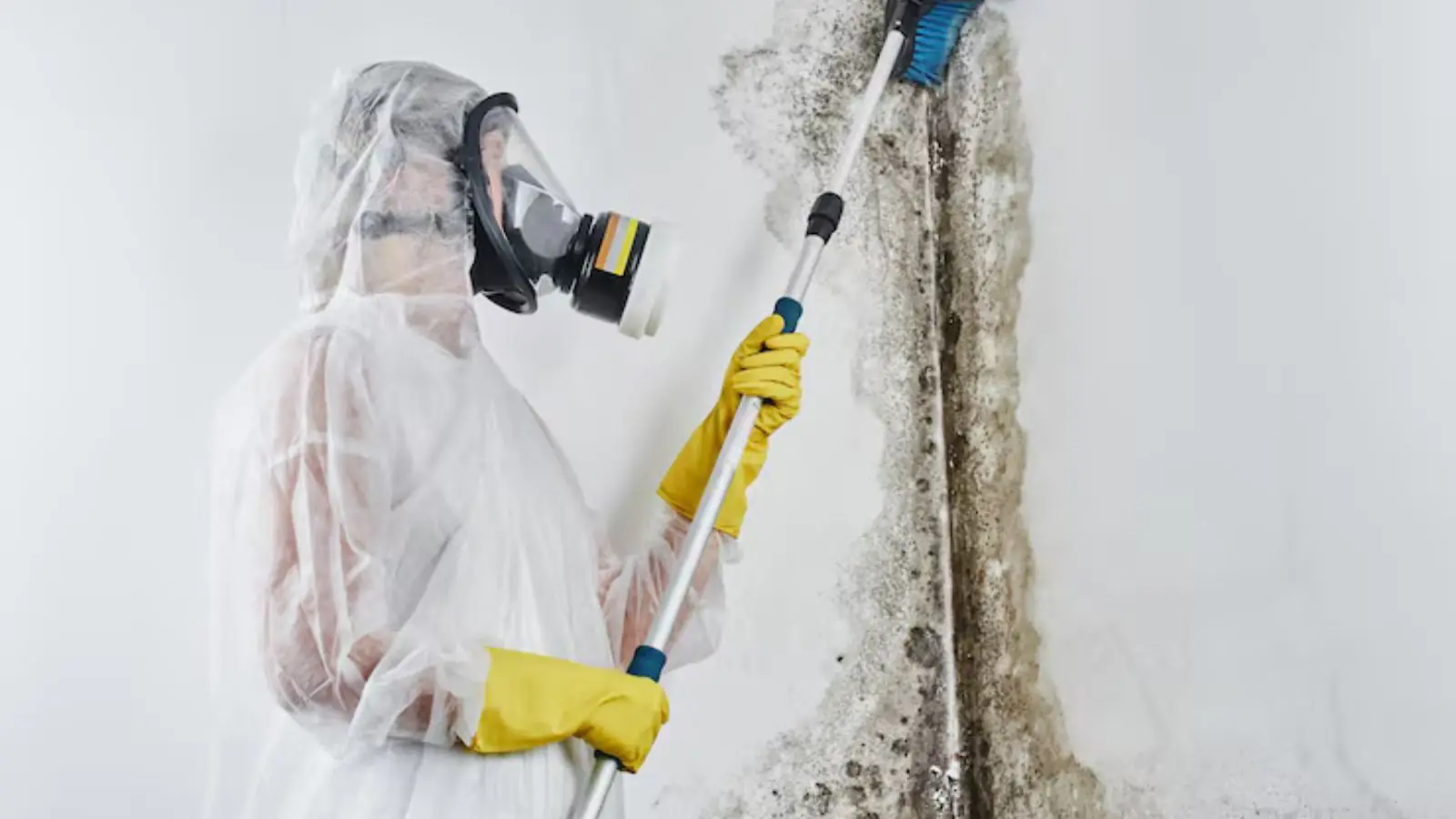
Mold remediation is the process of containing mold growth, removing it, and verifying the removal, after the moisture that fed it has been found and fixed. It usually follows a leak: a closet corner, the wall under a bathroom sink, the ceiling below an upstairs toilet. Crews work to the published ANSI/IICRC S520 standard, and any homeowner may ask a contractor how it guides the work. The line at (818) 337-2642 answers mold questions at any hour.
Dark spots in a closet corner, a musty smell after a leak, a stain that keeps coming back
These are the usual ways hidden moisture shows itself. You cannot tell by eye whether a spot is mold, mildew or dirt, and a smell only tells you that something is damp. The trade that answers all three is mold remediation: find the water, then contain and remove what grew.
Mold removal and black mold cleanup
People often search for black mold, but color does not change the method. Whatever color the growth is, the job is the same: control the moisture, seal off the area, remove what grew, and check the result.
Work starts with containment, usually poly sheeting and zippered barriers that keep disturbed spores from drifting into the rest of the house. Negative air machines with HEPA air filtration pull air out of the work area so it flows inward, not out. Affected porous material such as drywall, insulation, carpet and ceiling tile is cut out and bagged, since porous surfaces cannot be cleaned reliably.
Framing that stays is HEPA vacuumed, then wire-brushed or sanded and wiped. Moisture control follows, with dehumidifiers and moisture meters confirming the structure is dry, and then post-remediation verification closes the job. Health questions belong with a physician, not with a restoration crew.
Mold after water damage
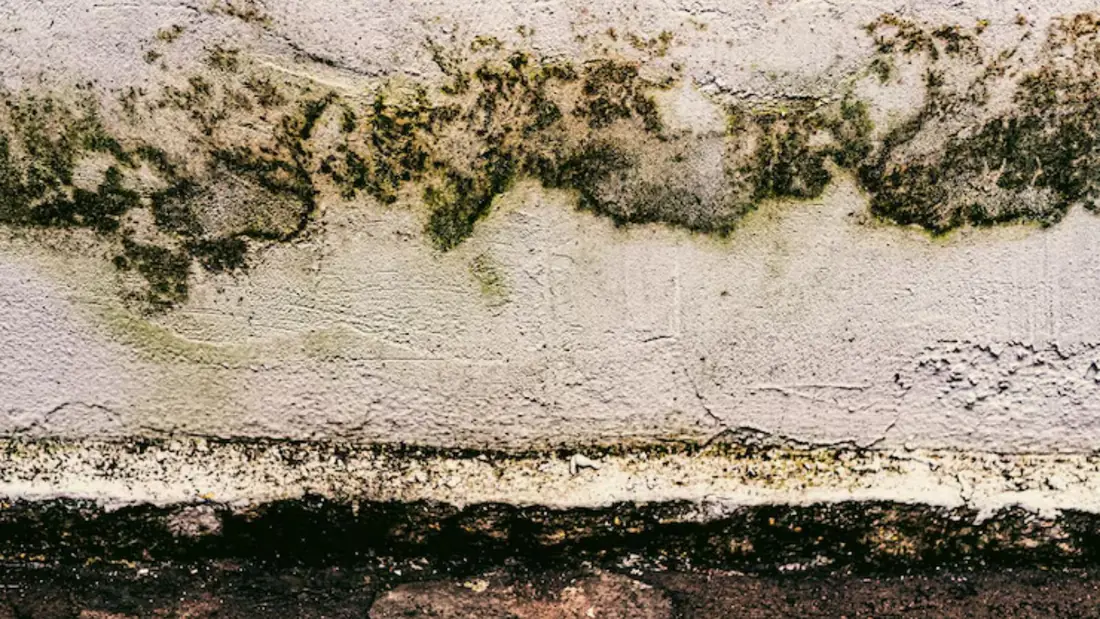
Mold needs moisture to grow. The EPA advises drying a water-damaged area inside a day or two (24 to 48 hours), and says mold usually will not take hold if that happens. After that window, growth is possible, and it often starts where nobody looks: under carpet and pad, behind baseboards, inside a wall cavity after a supply line leak.
That is why drying matters as much as cleanup. A crew running air movers and LGR dehumidifiers, with moisture readings taken daily, is how mold is prevented in the first place. The stage that does it is water mitigation, and it is worth calling for as soon as a leak is found.
On insurance, the state insurance department's claims guide allows that mold stemming from a covered peril can fall under a homeowners policy. If the damage came from a slow leak, it advises phoning the adjuster before you clean up on your own, since mold may already be there. Take photos first.
Where mold turns up after a leak
Closet near the air handler
A clogged AC condensate line can overflow into a closet wall or floor. The line has to be cleared by an HVAC technician before any mold work makes sense.
Under a sink or toilet
A slow drip soaks the cabinet floor and the subfloor below. Mold often sits behind the toe-kick and under the vanity, out of sight.
Upstairs closet ceiling
Water from a leak above runs down inside the ceiling and shows up as a stain or soft spot, with growth on the back of the drywall.
Shower corner where wall meets ceiling
Steam and a failed seal keep this corner damp. If the surface is wiped clean and the dark patch returns, the moisture is still there.
Under pulled-up carpet
Pad holds water long after the surface feels dry. The EPA notes carpet may have to be thrown away if it becomes moldy.
Lower-level ceiling below a toilet
A localized stain beneath an upstairs bathroom usually traces back to a seal or supply line, and the drywall below is cut out in a contained area.
Mold testing, inspection and independent clearance testing
An inspection is a walk-through with a moisture meter and, often, a thermal imaging camera, to find where water went and how far growth may have spread. Testing means air or surface samples sent to a lab. Neither is required for every job, and you can clean up visible growth without knowing the species.
Independent clearance testing is done after remediation by a third party who did not do the removal. Because the tester has no stake in the work, the result is a real check. It is the usual answer when you want the cleanup verified in writing.
If a house is being sold, the buyer's lender may set its own mold requirements before a loan funds. Ask the lender what it accepts, who must do the testing and what the report must show. This page cannot promise that any report will satisfy a lender.
| Situation | What fits | Trade-off |
|---|---|---|
| A small spot on a hard surface, leak already fixed | Careful cleaning by the homeowner | No containment, and hidden growth may be missed |
| Growth on drywall, insulation or carpet | Remediation with material removal | Walls are opened, so repair follows |
| Unsure it is mold, or a sale or loan is involved | Inspection and independent testing | Adds time and a lab fee, but gives a written record |
| Active leak behind the surface | Fix the source first | Remediation before the repair would only be repeated |
Choosing a mold company
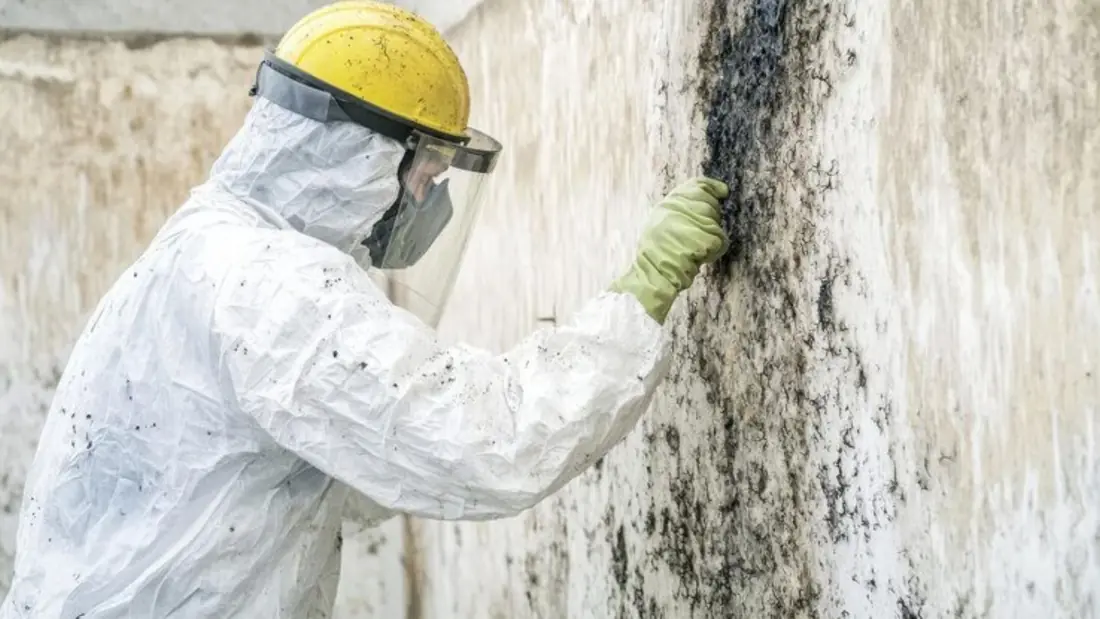
Ask whether your state licenses mold work. The California Contractors State License Board's published classification list has no mold classification, so a general license is not proof of mold training. Ask instead what standard the crew follows, whether they use containment and negative air, who does clearance testing, and whether the scope and price are written down before work starts.
Why the leak always comes first
If the moisture source is still active, removing mold is wasted work. Fix the leak, dry the structure, then remediate. Nobody can promise that mold will not return, because that depends on moisture control afterward. The CDC says that if you clean mold without fixing the water problem, it is likely to return.
The rainy months matter locally. LA Sanitation counts mid-October to mid-April as storm season, and February tops the long-run record at Van Nuys Airport. A roof leak during those months can sit above a ceiling or in an attic until a stain finally appears.
What shapes the price of mold remediation
- How much area is affected, and which rooms.
- The materials involved, since porous drywall, insulation and carpet are removed, not cleaned.
- The level of containment and the number of days negative air machines run.
- Access, such as an attic, crawl space or finished wall.
- Testing, clearance and the repair work that follows removal.
Coverage hangs on the cause of the water. Mold that follows a sudden event may be treated differently from mold that followed a long drip, so check your policy and ask your insurer. To get a number for your situation, ring (818) 337-2642, and the scope and price are walked through before any work starts.
Found something and not sure what it is?
Describe the spot, the smell and the leak history. Dispatch can explain what an inspection involves.
Serving West Hills and nearby neighborhoods
The Vanowen Street base in West Hills sends crews out, with same-day response when available. The line reaches Chatsworth to the north as well.
After mold is removed, water damage repair rebuilds the drywall, flooring and paint that came out. If a leak is active right now, emergency water removal comes first. Work is done by licensed and insured professionals.
Questions about mold
I see dark spots in the corner of a closet. Is it mold and who do I call?
Maybe. You cannot tell by looking, and the species does not change the method. Find the moisture source first, since closets often sit under a roof leak, beside a pipe or near an air handler. Call the line at (818) 337-2642 to describe it and arrange an inspection.
My house smells musty after a leak. Does that mean mold?
It means something is damp, and mold is one possible cause. A moisture meter and thermal imaging camera can find where water is trapped, behind baseboards or under flooring. If the smell stays after the leak is fixed, hidden moisture is the likeliest reason.
Could the mold in my closet come from an AC condensate line leak?
Yes. When the condensate drain clogs, water can overflow into the closet floor or wall. An HVAC technician must clear the line first. Then the wet drywall is inspected and, if growth is present, removed under containment so the problem does not return from the same source.
I had a toilet or sink leak. Can mold be growing out of sight?
It can. Water runs under cabinets and into subfloors, and a drip can last for weeks unnoticed. If a cabinet base or floor feels soft, smells musty or has stains, opening the area is the only way to know. Do not seal it over.
I rent. Who is responsible for mold in my apartment?
The state public health department's mold booklet says an owner has to supply a rental unit that is fit to live in. It adds that damp or visibly moldy conditions that endanger health are the owner's to correct, and that tenants should tell the owner or manager. Report it and keep a copy.
A buyer's lender wants the mold removed before the loan funds. What now?
A lender may set its own requirements, so ask it what it accepts and who must do any testing. Remediation followed by a clearance test from an independent party is one way to document the work. Get the lender's requirements in writing before work starts. No page can promise a lender will accept a particular report.
Does insurance pay for mold removal?
The state insurance department says mold that comes from a covered peril can be covered, while slow leaks are often excluded. If yours was a slow leak, call the adjuster before cleaning it yourself, and keep photos and receipts. Your policy decides, and your insurer can explain it.